Heritage & History ·
RIAD MAG RANKINGS: Morocco’s medinas worth seeing for their heritage
A medina is not so much visited as crossed. You enter through a gate, lose your way, and come out changed. Morocco has dozens of them. Six have received the highest heritage recognition in the world. Here is why each one is worth the journey, in the order in which we suggest discovering them.
Why a selection rather than a score
Our methodology set out six criteria, including the authenticity of the built fabric and the quality of the visit. These two criteria, worth around 40 points out of 100, require field visits that we have not yet carried out. The only criterion comparable across all the cities is World Heritage inscription. In line with our charter (see our ranking charter), we are therefore publishing a reasoned editorial selection, without scores, based on UNESCO’s official descriptions.
The selection
| Rank | Medina | UNESCO inscription | What sets it apart, according to UNESCO |
|---|---|---|---|
| 1 | Fez | 1981 | Capital founded by the Idrisids between 789 and 808; Marinid golden age |
| 2 | Marrakech | 1985 | Palaces, madrasa and Jemaa el-Fna square, inscribed as intangible heritage in 2008 |
| 3 | Meknes | 1996 | Capital of Sultan Moulay Ismail (1672-1727), ramparts up to 15 metres high |
| 4 | Tétouan | 1997 | “One of the smallest of the Moroccan medinas but indisputably the most complete” |
| 5 | Essaouira | 2001 | 18th-century fortified town, laid out on the Vauban model |
| 6 | Rabat | 2012 | Historic city and modern capital, “a Shared Heritage” |
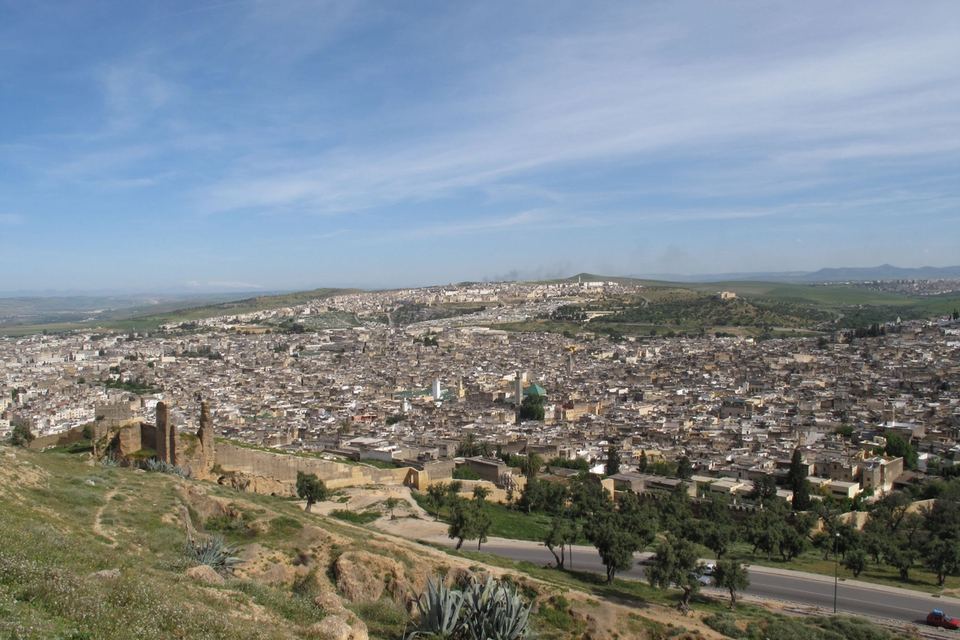
1. Fez, the mother of medinas. UNESCO describes a capital founded by the Idrisid dynasty between 789 and 808, reshaped by the Almoravids and the Almohads, then at its height under the Marinids, who built Fez Jdid in 1276. Madrasas, fondouks (merchants’ inns), palaces, mosques and fountains: an “outstanding example of a medieval town” from the first centuries of Morocco’s Islamisation. Our first choice, because no other medina tells the country’s urban history from so far back.
2. Marrakech, the red city. Inscribed in 1985, it brings together palaces, a madrasa, gardens and Jemaa el-Fna square, itself recognised as intangible cultural heritage. It still bears the scars of the 2023 earthquake, and its restoration work is being monitored by UNESCO (see the medina three years after the earthquake and our selection of historic palaces and residences).
3. Meknes, a sultan’s city. Founded in 1061 by the Almoravids as a stronghold, it became the capital of Moulay Ismail. UNESCO highlights its ramparts, “reaching 15 metres in height”, pierced by “nine monumental gates”, and the “remarkably complete” urban structure of a 17th-century North African capital.
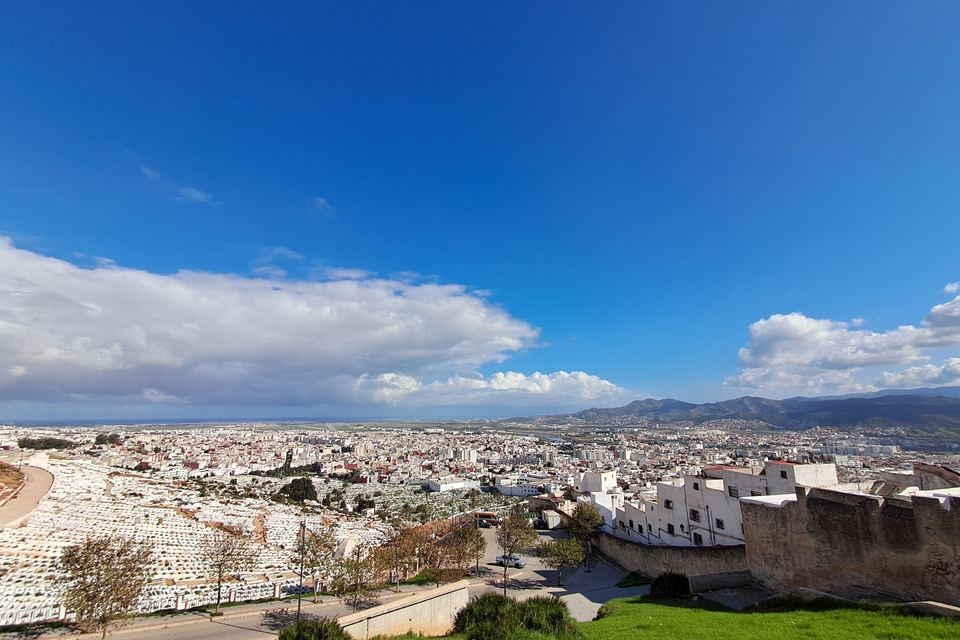
4. Tétouan, the Andalusian. Clinging to the slopes of Jebel Dersa, facing the Strait of Gibraltar, it bears witness, according to UNESCO, to “clear Andalusian influence”. Some five kilometres of ramparts, seven gates. Its historic centre, which brings together the medina and the Ensanche, the new town of the Spanish protectorate, has been on Morocco’s Tentative List since May 2024.
5. Essaouira, the fortress on the Atlantic. Commissioned by Sultan Sidi Mohammed ben Abdallah (1757-1790) and laid out by a French architect inspired by Vauban, it marries European military architecture with the principles of the Arab-Muslim city. UNESCO dates it variously to the middle and to the end of the 18th century.
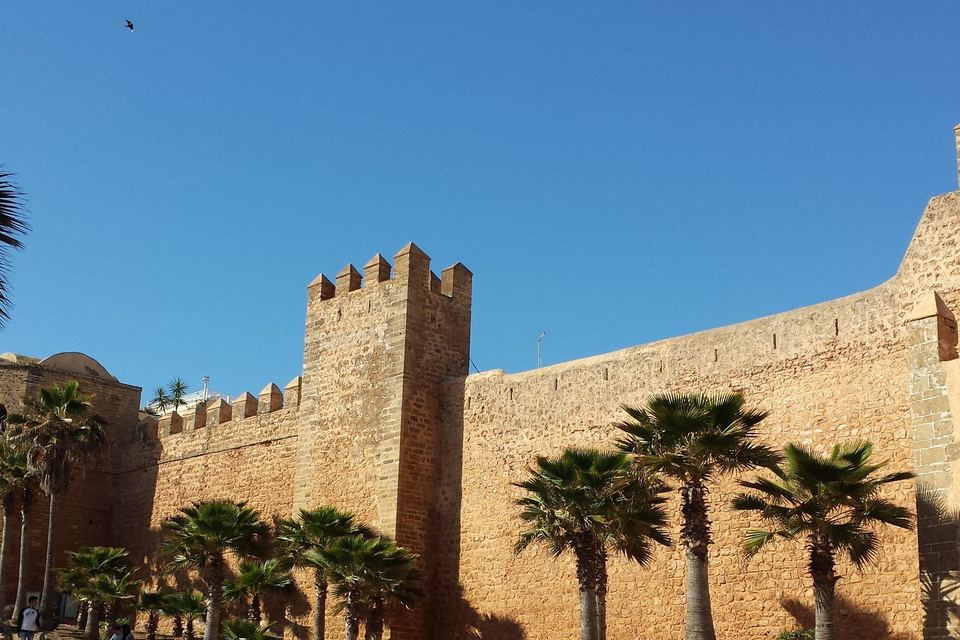
6. Rabat, a capital of shared heritage. Inscribed in 2012 as “Modern Capital and Historic City”, it combines an old urban fabric with a 20th-century city.
And the others?
Tangier, Chefchaouen, Safi and Taroudant are not inscribed on the World Heritage List. That says nothing about their beauty. We will add them to this selection after visits by our editorial team and heritage documentation specific to each.
Criteria, sources, period, limitations
- Selection criteria: World Heritage inscription; richness and age of the heritage described by UNESCO; integrity of the urban fabric according to the official descriptions.
- Sources: UNESCO, property files no. 170 (Fez), 331 (Marrakech), 793 (Meknes), 837 (Tétouan), 753 (Essaouira), 1401 (Rabat); Morocco’s Tentative List, file no. 6770; UNESCO, Representative List of the Intangible Cultural Heritage (Jemaa el-Fna).
- Period covered: UNESCO lists as at 24/10/2026.
- Limitations: no field visits at this stage; the order is a reasoned editorial choice, not a measurement; the four non-inscribed medinas have not yet been assessed.
- Last checked: 25/10/2026.
Sources
- UNESCO, property files no. 170, 331, 793, 837, 753 and 1401
- Morocco’s Tentative List, file no. 6770
- Representative List of the Intangible Cultural Heritage
The Newsletter
The essentials on Marrakech riads, every week.
Market, heritage, renovation and law: a selection by our editors.