In 2026, an inconspicuous rule changed the cost of some riad sales. Since 1 July, when a house priced at more than 300,000 DH is paid for wholly or partly in cash, or the deed does not specify how it was paid, 2 percentage points of registration duty are added: on the cash portion alone if the rest was settled by lawful means. It is only one detail among many, but it captures the essentials: buying a riad is as much a matter of procedure as of love at first sight.
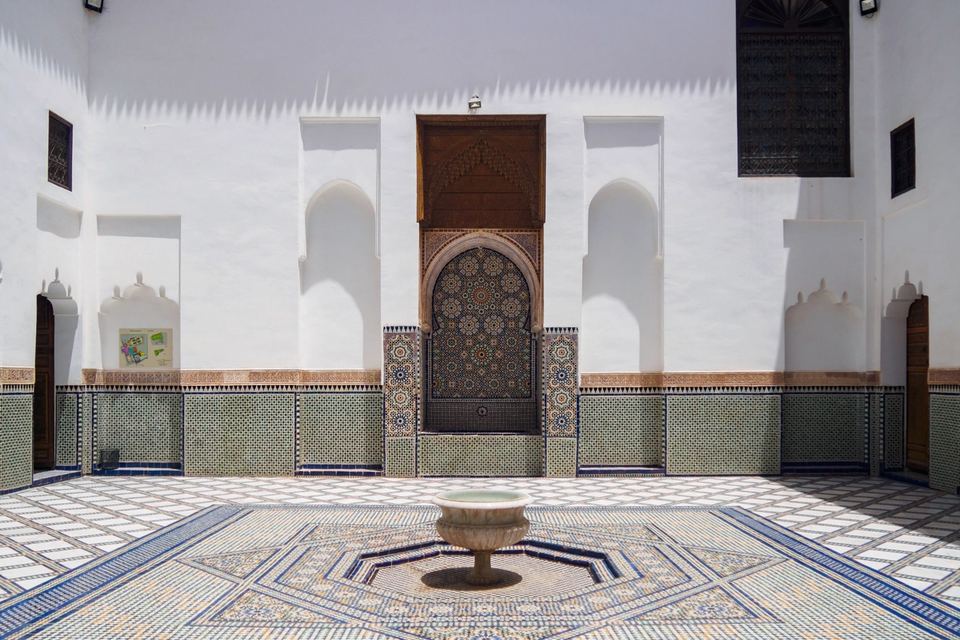
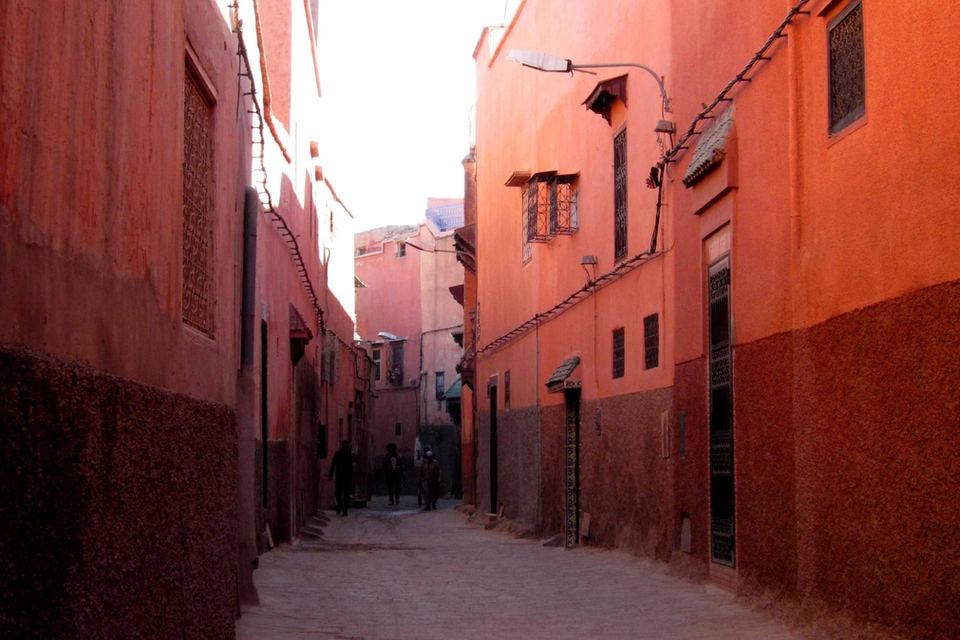
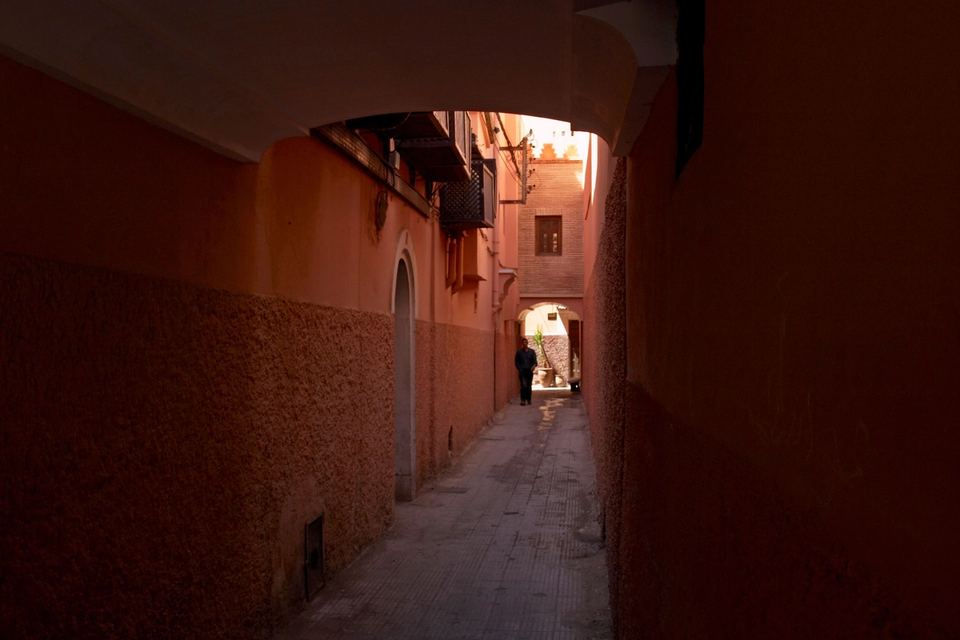
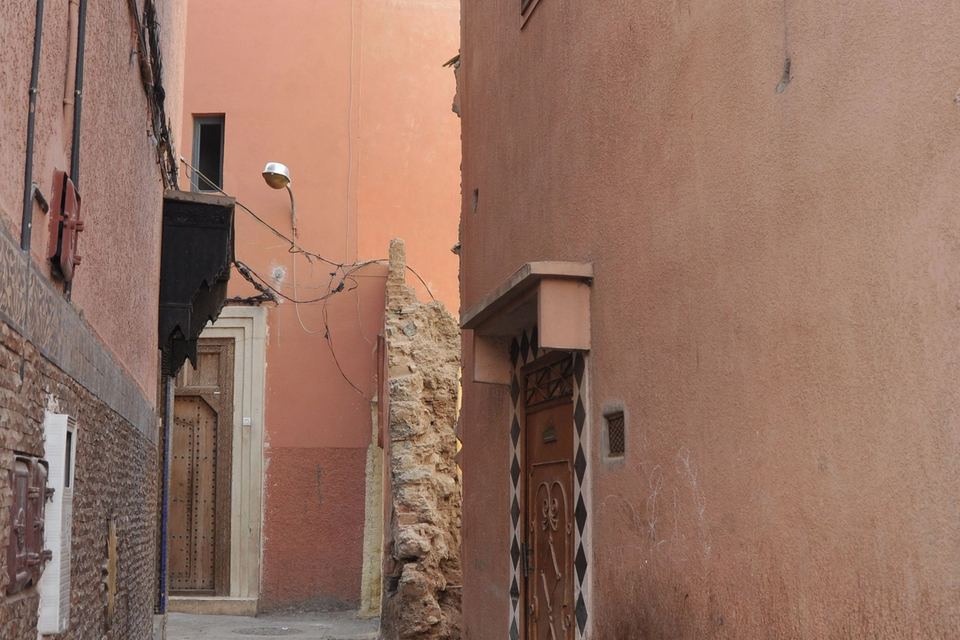
From the street, there is nothing to see. A blank wall, a studded door, sometimes a knocker. The riad does not put itself on show: it reveals itself room by room, its back turned to the city. A guided tour of a house designed from the inside out.
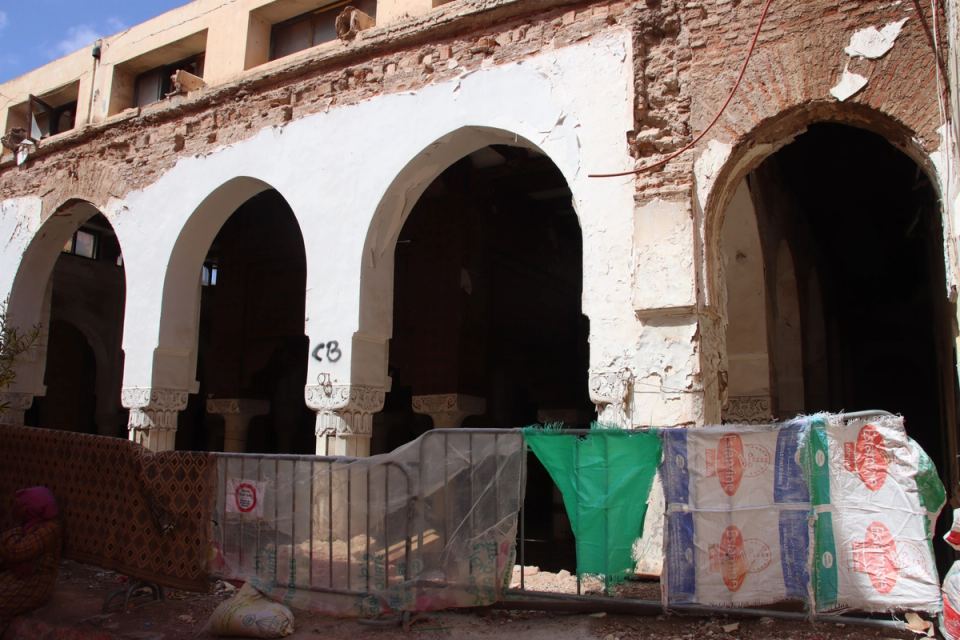
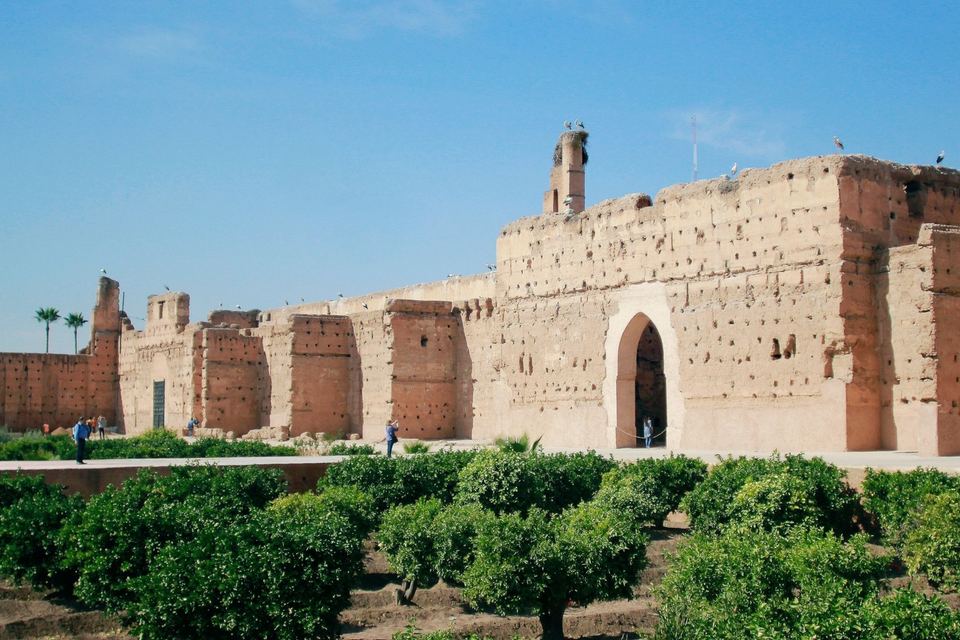
It was the night of 8 September 2023. In a matter of seconds, the ground shook from the High Atlas to the alleyways of Marrakech. Minarets swayed, sections of the ramparts came down, century-old houses split open like books. Three years on, the medina is still clad in scaffolding. It is also home to restoration work that is moving forward.
Two studded doors, side by side, in the same derb (alley). The same ochre facade, the same patio. Yet one opens onto a property that the law declares incontestable. The other, onto ownership that better evidence can still call into question.
You picture the patio, the orange trees, breakfast served on the terrace. You think less about the Regional Investment Centre, the grading committee and the daily declaration of guests. Yet that is the path every legal guest house in Morocco has to take.
A riad cannot keep up a lie for long. A stain at the foot of a wall, plaster that sounds hollow, a door that has only recently started to stick: every detail says something about the health of the house. The trick is knowing how to read it.
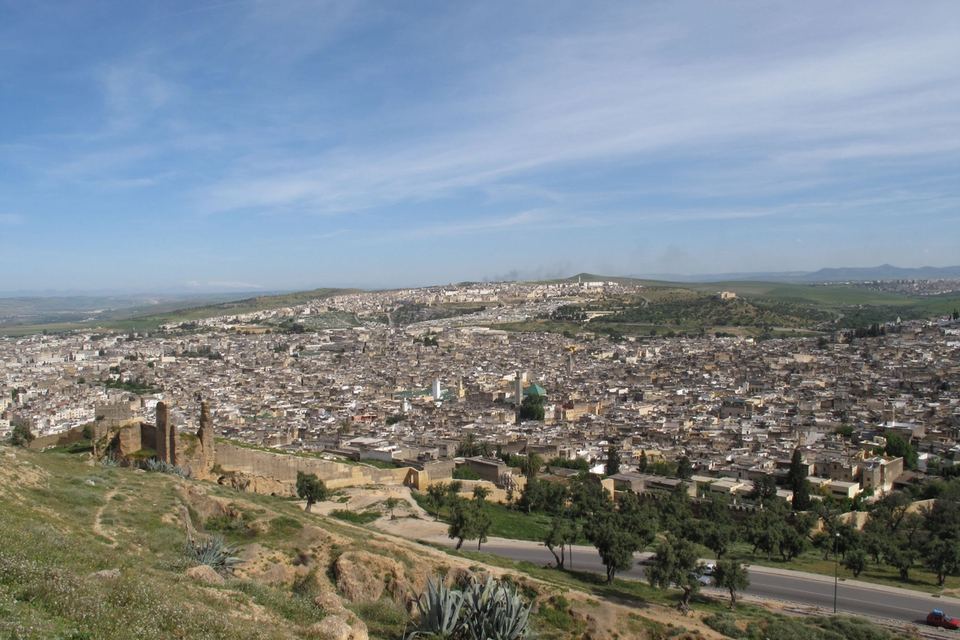
A medina is not so much visited as crossed. You enter through a gate, lose your way, and come out changed. Morocco has dozens of them. Six have received the highest heritage recognition in the world. Here is why each one is worth the journey, in the order in which we suggest discovering them.
A riad held in melkia, where ownership rests on deeds rather than a registered land title, is not a bad buy. It is a purchase in which the work of verification changes hands. With no land register, it falls to you to prove that the seller owns the whole property, alone, with no competing right.
You come across it in property listings, slipped in between the floor area and the number of bedrooms: ‘melkia with requisition’. The phrase is reassuring. It states one truth, and keeps quiet about another.
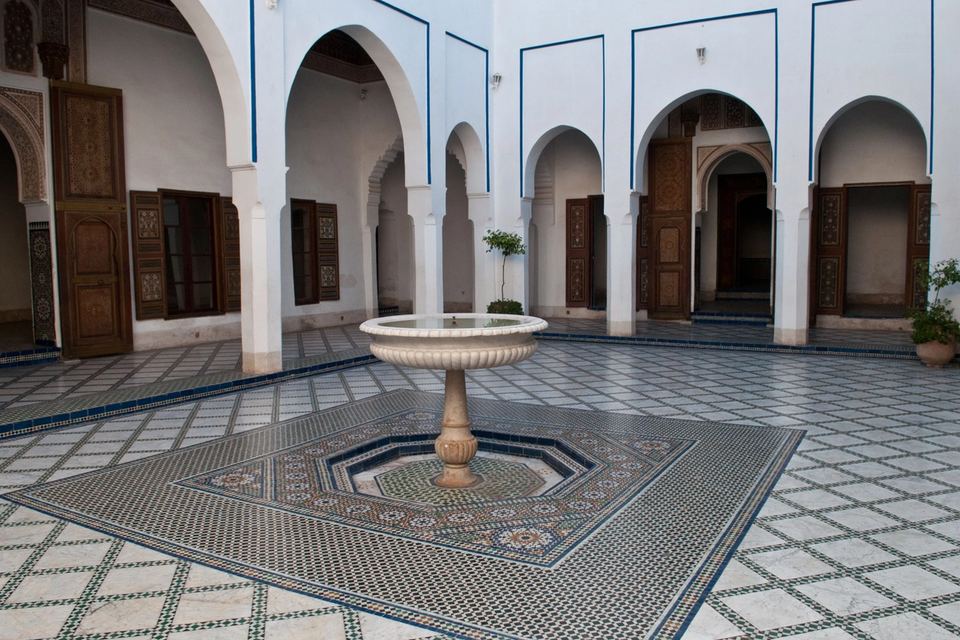
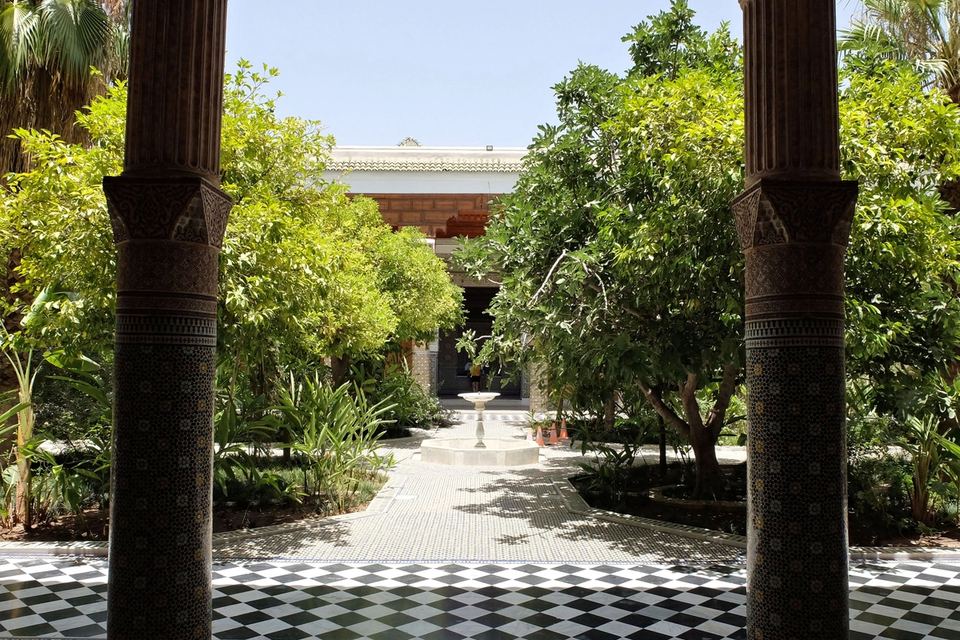
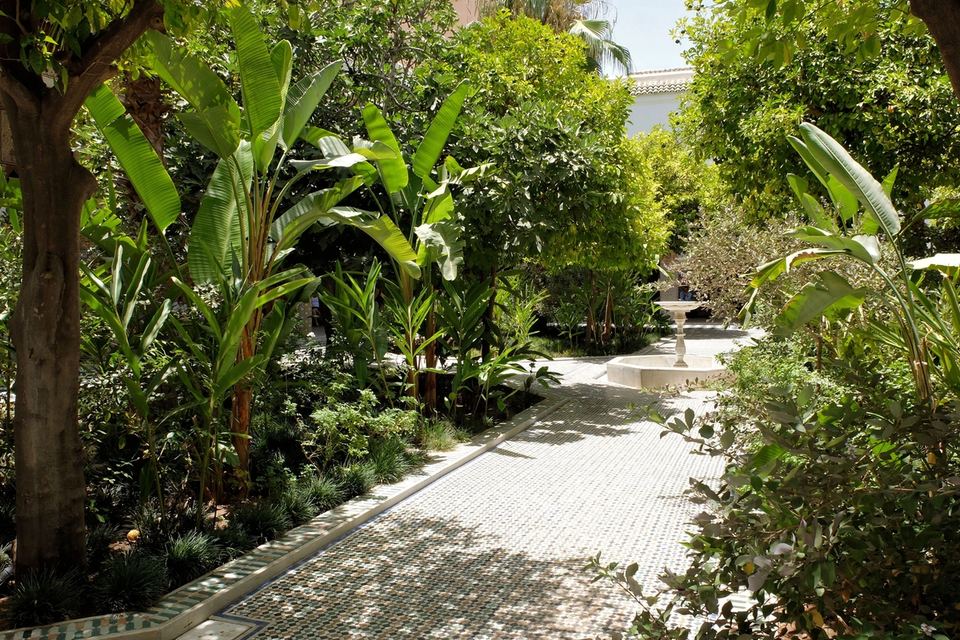
From the alley, you see nothing. A blank wall, a studded door, sometimes a knocker shaped like a hand. Then the door opens, a dog-leg passage steers you aside, and the house reveals itself all at once: a courtyard, sky, often water. But does that courtyard hold a garden? That is the whole difference between a riad and a dar.
The Newsletter
The essentials on Marrakech riads, every week.
Market, heritage, renovation and law: a selection by our editors.