Legal & Formalities · Guide
Melkia or land title: what you are really buying
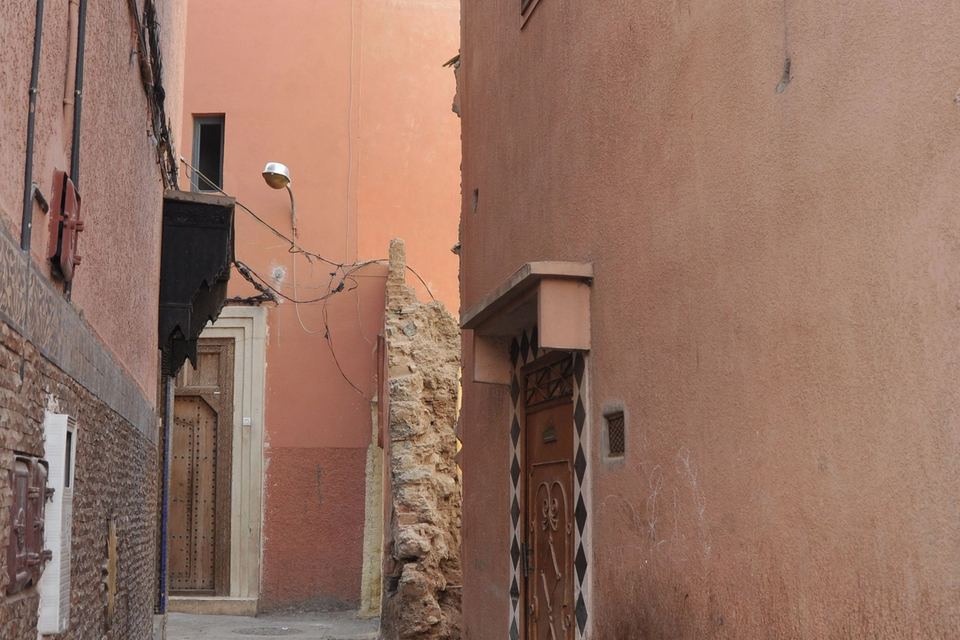
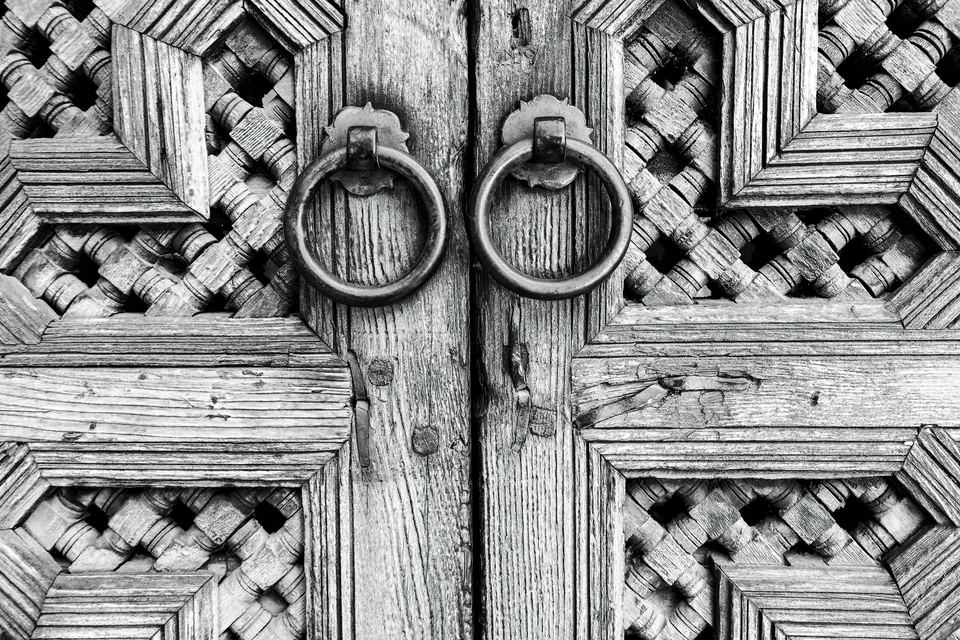
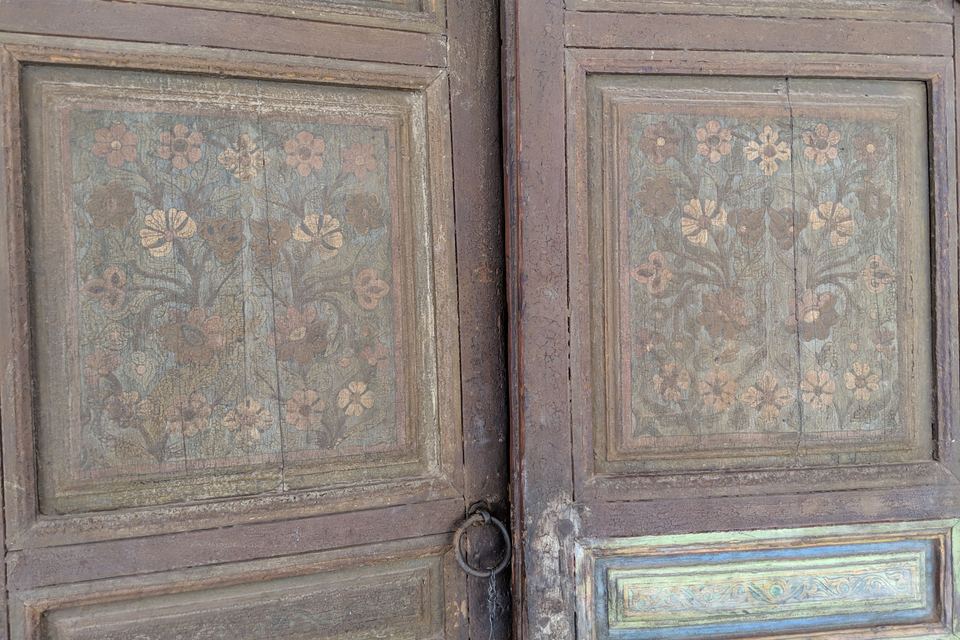
Two studded doors, side by side, in the same derb (alley). The same ochre facade, the same patio. Yet one opens onto a property that the law declares incontestable. The other, onto ownership that better evidence can still call into question.
The whole difference comes down to two words: land title and melkia.
The land title: a page that settles the matter
A titled riad is entered in the land register, the great ledger kept by the Land Registry. Whatever that entry states, the law holds to be true.
The 1913 dahir (royal decree) goes very far. The title is final and incontestable (art. 62). In practice:
- no one can become the owner of a titled property by occupying it for a long time, what is known as prescription (art. 63);
- anyone who considers themselves wronged by the registration cannot recover the property. They can only claim damages, and only if there has been fraud (art. 64).
There is one exception, concerning entries subsequently made on the title. A rights holder harmed by fraud or forgery can challenge them, provided they act within four years of the entry in question. Once that period has passed, those entries are binding on third parties registered in good faith (Law 39-08, art. 2).
Melkia: the owner… until proven otherwise
A melkia riad is registered nowhere. Its ownership rests on deeds, notably those drawn up by adouls (traditional notaries), and on possession: occupying and managing the property as an owner would.
The law gives this possession real weight. But provisional weight: it counts as ownership until proven otherwise (Law 39-08, art. 3).
And sale deeds alone are not enough. They must rest on the origin of ownership, and the buyer must in turn possess the property under the conditions laid down by law.
Possession, yes. But not just any possession
For possession to count, six conditions must be met (art. 240): actually holding the property, behaving as its owner, claiming it as one's own and being regarded by others as its owner, not being challenged, possessing it without interruption for the legal period and, if the possessor has died, there being no known transfer of it.
How long? Ten years for a person who is neither related to the owner nor a co-owner with them (art. 250). Forty years between relatives who are not co-owners, in the absence of hostility between them (art. 251). And these periods are not negotiable: no contract can lengthen or shorten them (art. 259).
Certain people can never possess against one another: parents and children, spouses during the marriage, business partners, agent and principal, among others (art. 255). And certain property lies entirely outside this mechanism: habous property (religious endowments), State property, land belonging to ethnic communities, property of local authorities and property that is already titled (art. 261).
Side by side
| Titled riad | Melkia riad | |
|---|---|---|
| Proof of ownership | Entry in the land register | Deeds and possession |
| Can it be challenged? | The title, no (art. 62). A subsequent entry, for fraud or forgery, within 4 years (Law 39-08, art. 2) | Yes, by better evidence |
| Surface area | Fixed by an official plan | Described in the deeds |
| Checks before buying | A certificate of ownership (100 DH) | Analysis of the entire chain of deeds |
| Bank mortgage | Possible | No mortgage: the law reserves it for titled property or property undergoing registration. A pledge by authentic deed remains possible (Law 39-08, arts 165 and 147) |
| After the sale | Registration within 3 months (art. 65 bis) | A new deed, with no registration |
And in between?
There is an intermediate situation, which you will come across in listings: the riad ‘under requisition’. The registration procedure has been opened, but the title does not yet exist. It deserves an article of its own.
What to remember before you sign
Buying a titled riad means buying a property. Buying a melkia riad means buying a property and its paperwork. Not necessarily a bad deal, but a risk to be weighed before signing.
The right reflex? Ask the seller, from the very first viewing, what the riad’s legal status is. Then, if it is a melkia, have the deeds examined by a notary, an adoul or a lawyer before any preliminary agreement. Registration can come later (see registering a riad).
Sources
- Dahir of 12 August 1913 on land registration, consolidated version (arts 62 to 66, 65 bis)
- Law 39-08 on the Real Rights Code (arts 2, 3, 4, 147, 165, 174, 240, 250, 251, 255, 259, 261)
- Decree 2-16-375 of 18/07/2016 setting the Land Registry’s schedule of charges (Official Bulletin No. 6484 of 21/07/2016)
The Newsletter
The essentials on Marrakech riads, every week.
Market, heritage, renovation and law: a selection by our editors.