Architecture & Renovation · Guide
Damp, cracks, tired beams: reading the ailments of a riad
A riad cannot keep up a lie for long. A stain at the foot of a wall, plaster that sounds hollow, a door that has only recently started to stick: every detail says something about the health of the house. The trick is knowing how to read it.
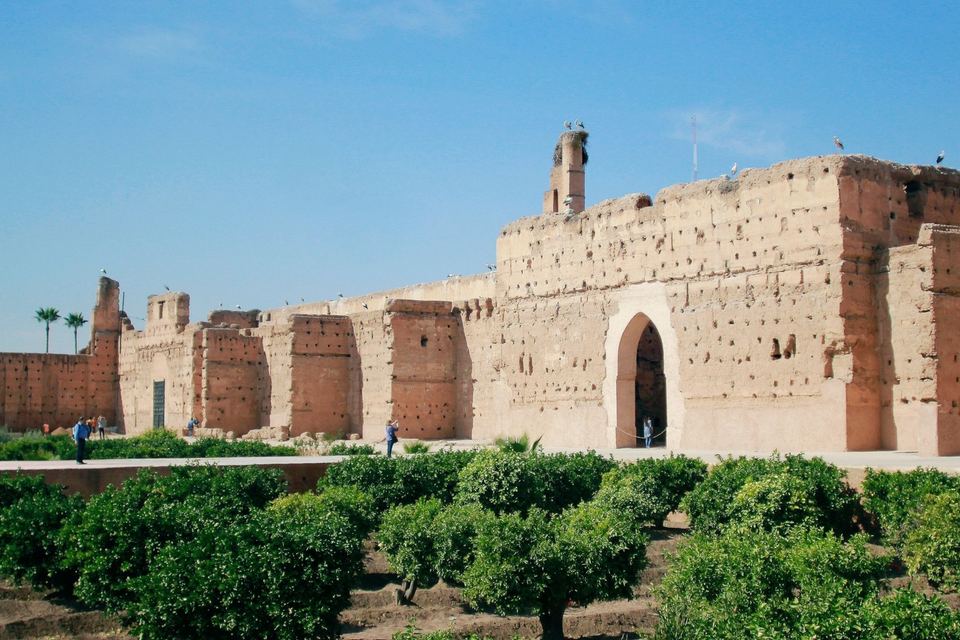
Here are the main defects found in old medina buildings, what they may indicate and the questions they raise.
1. Rising damp
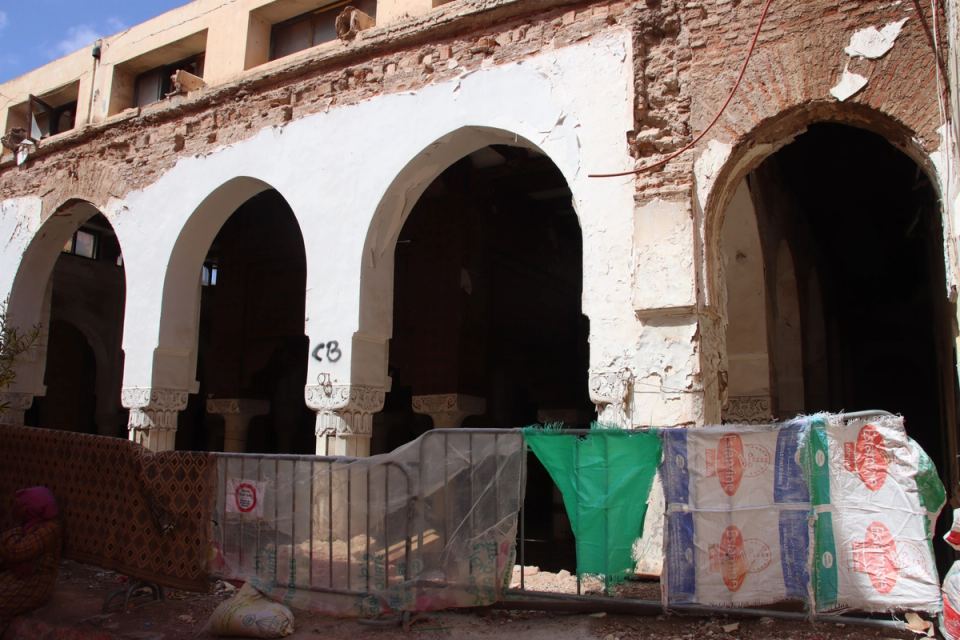
What you see: dark stains at the foot of the walls, plaster that swells or crumbles, whitish deposits.
What it may mean: groundwater is rising through the walls by capillary action, or seeping in from a pipe, a roof terrace or a pool. In a densely built medina, a party wall can also absorb damp coming from next door.
The trap: treating the symptom rather than the cause. Repainting or covering the wall in cement can make the problem worse by preventing it from drying out (see the traditional materials of the riad).
2. Cracks
Not all cracks are equal.
| Type of crack | What it may indicate | Advice to seek (for guidance only) |
|---|---|---|
| Fine, on the surface of the plaster | Shrinkage or ageing of the plaster | A qualified craftsman; keep an eye on it, and seek professional advice if it develops |
| Running right through the wall | Structural movement | Structural engineering firm |
| Stepped, or above an opening | Settlement, weakened lintel | Structural engineering firm |
| Widening over time | Progressive defect | Structural engineering firm, without delay |
This table is for guidance only: only an on-site inspection by a qualified professional can determine the nature of a crack.
The earthquake of 8 September 2023 was a reminder of how vulnerable old buildings are. In Marrakech, two years on, some 2,620 damaged homes had been built or rehabilitated, according to the local authorities (Le360 with MAP, and Hespress, 07/09/2025) (see the medina three years after the earthquake). Any crack that has appeared or widened since then deserves particular attention.
3. Timber under attack
Beams, joists and cedar ceilings are exposed to damp and to wood-boring insects, which feed on the timber.
Warning signs: small holes, fine wood dust (frass), timber that crumbles under the tip of a screwdriver, sagging floors, a ceiling that is losing its shape.
A painted ceiling can remain superb even when the beam it conceals has been weakened. Before buying a riad with timber floors, it is wise to have the beams and floors inspected by a qualified professional.
4. The leaking roof terrace
The roof terrace is both the riad’s great asset and its weak point: it is what takes the rain. Failed waterproofing, badly directed drainage or excess load (a plunge pool, a jacuzzi, an added room) can damage the ceilings and walls below.
It also raises legal questions: rainwater from your roofs and balconies must drain onto your own property, not your neighbour’s (Code of Real Rights, art. 62; see party walls and easements in a derb, or medina alley).
5. Added storeys and extensions
An extra storey, a covered roof terrace, a swimming pool dug into the patio: such alterations, sometimes carried out without any engineering study, can overload a structure that was never designed for them. They also raise the question of whether they were properly authorised (see our guide to renovating an old riad).
The technical inspection: a practical guide
- Look at the foot of every wall, indoors as well as around the patio.
- Tap the plaster: a hollow sound may indicate that it is coming away from the wall.
- Examine the ceilings and probe any accessible beams.
- Go up onto the roof terrace: falls, drainage outlets, condition of the waterproofing.
- Ask when and by whom the most recent works were carried out, and with what permits.
- Call in a structural engineering firm or a structural engineer whenever there is serious doubt.
A survey will not rule out unpleasant surprises. But it can bring them to light before signing, at a point when they can still carry weight in the negotiation.
Sources
- Law 39-08 (Code of Real Rights), art. 62
- Le360 (with MAP) and Hespress, 07/09/2025, on homes built or rehabilitated in Marrakech after the earthquake
- SPAB (P. Hughes), The Need for Old Buildings to “Breathe”, Technical Advice Note, 2020
- New Forest National Park Authority / SPAB, Historic buildings: Damp, rot and insect attack, 2013
- Agence Qualité Construction, pathology sheet B.03, ‘Structural’ cracks in the masonry of detached houses (Fissures « structurelles » des maçonneries de maisons individuelles), 2024
- US General Services Administration, Monitoring and Evaluating Cracks in Masonry (technical procedure)
- Ministry for Ecological Transition (France), Shrink-swell of clay soils and construction (Retrait-gonflement des argiles et construction), updated 09/04/2026
The Newsletter
The essentials on Marrakech riads, every week.
Market, heritage, renovation and law: a selection by our editors.